ChildLine
Information on problems sleeping

Before we get started, let us know more about who you are so that we can show you appropriate content.
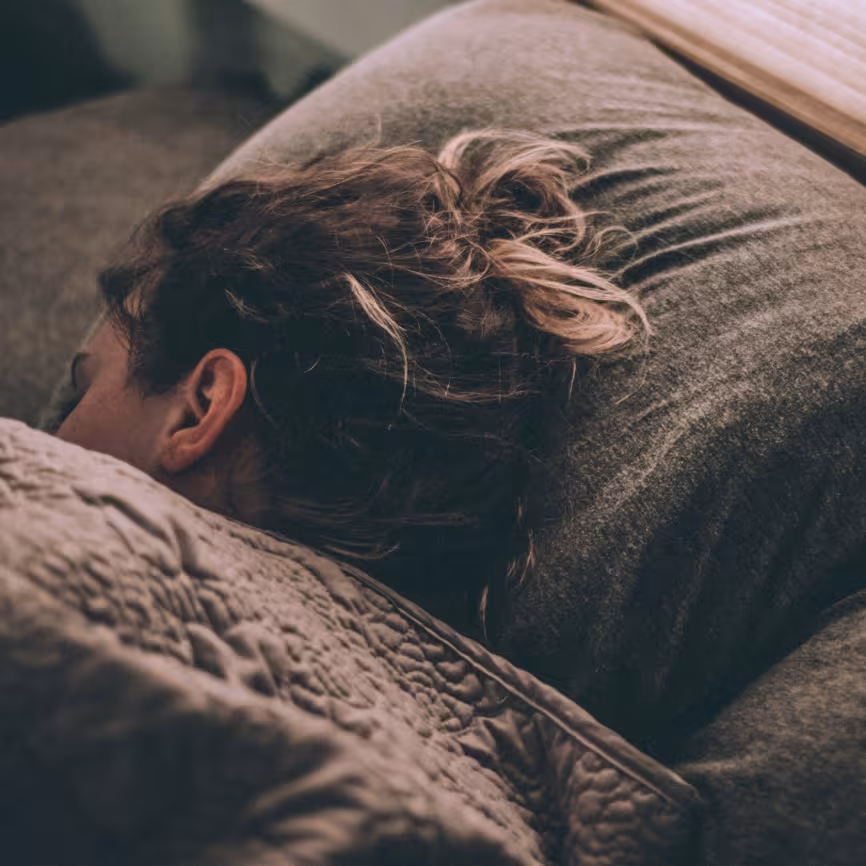
Sleep is a normal body process that is vital to the functioning of our minds and bodies. Without good quality sleep, our bodies and brains will not be able to work as they should. Experts say that teens should on average sleep between 8-10 hours a day, this reduces to 7-9 hours in adults. Both too much and too little sleep can have negative impacts on our bodies, so it is important to take sleep health seriously!
As we get older our bodies and brains change and adapt. Teenagers often get a bad reputation for staying up late and struggling to wake up for school, but teenagers sleep patterns are different from those of adults and younger children.
Getting better sleep can have lots of positive impacts on your life, and your brain! Good sleep can help with better brain retention (which is great for memory and revision), more positive mood (which is great for wellbeing) and helping us look better too (clearer skin and shinier hair).
If you feel you have a significant problem with your sleep, it is important you reach out to your GP to get further support.
Watching your favourite show on TV or some Instagram reels on your phone is a good way to wind down before sleeping.
FALSE - The blue light and what we do on our screen are often stimulating not relaxing. Make sure the hour before bed is screen-free! Even if your phone has a blue light filter - there is no evidence that this actually works!
Although it may be tempting to wind down before you sleep using a screen the blue light suppresses melatonin (a sleep hormone that helps you feel sleepy) and can delay sleepiness.
Exercise before bed can help tire a person out and help them to sleep.
FALSE - Exercise should be avoided 2-3 hours before bed to make sure you are able to wind down properly before lseeping! Although regular exercise is important as it supports sleep it should be avoided 2-3 hours before bed.
Eating any food 2 hours before bed can negatively affect sleep.
FALSE - Although doctors recommend avoiding drinking caffeine at least 6 hours before bed, some foods such as warm milk, yoghurt, cereal and bananas can actually release minerals and amino acids that produce melatonin and may help you sleep.
You should definitely avoid sugar and caffeine before bed! So, no biscuits and hot chocolate.
These links take you to other websites or services that are not provided by Teen Health. The pages have been selected to give you more information on this topic area. They will open another tab in your browser.